Why Indie Games Are Becoming More Popular
Balatro, Stardew Valley, PEAK and Hollow Knight show how small studios win big. Why indie games are growing, from creative freedom and lower prices to streaming and Steam.
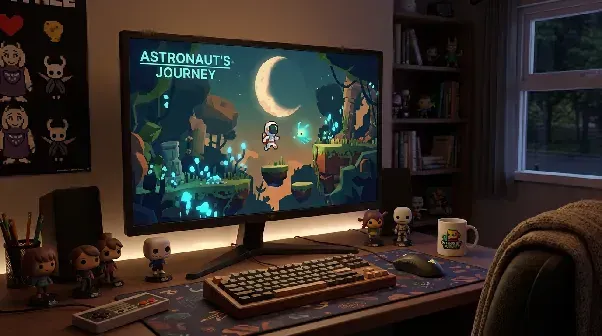
A game does not need a huge budget or hundreds of developers to become a hit. Balatro, a poker-inspired card game, was made by one developer. Stardew Valley started as a solo project and became one of the best-known farming games ever made.
Meanwhile, big studios spend years and fortunes on games that sometimes struggle to hold players' attention. So why are indie games becoming more popular? Is it the lower prices, the creativity, or players growing tired of expensive blockbusters?
There are several reasons. The games themselves matter, but so do Steam, YouTube, the freedom of small teams and the way players now discover new games.
What are indie games?
Indie games are made by independent developers or studios. Independent developers usually have far more creative freedom than teams working for big publishers.
An indie game does not always mean one person working alone in a bedroom, though. Some independent studios have dozens of staff; others have two or three people. Some take outside funding or work with a publisher. What sets them apart is that they keep control over their projects.
Stardew Valley, for example, was made by Eric Barone on his own, while Hollow Knight came from Team Cherry, a small independent studio in Australia.
Why indie games are growing in popularity
There is no single cause. Some players want variety beyond the big franchises; others want cheaper games or games to play with friends. Here are the main changes.
1. More freedom to experiment
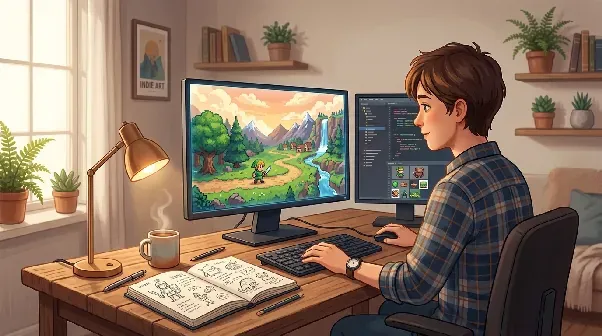
Imagine pitching a game where you build poker hands, collect unusual cards and use them to score ever-bigger points. It does not sound like a safe bet for a company investing millions. Yet that is essentially Balatro.
Balatro uses poker hands as the basis of its scoring, with Joker cards that bend the rules each round. There is no opponent across the table: you are trying to beat score targets with ever more powerful combinations.
This is one of the great attractions of indie development. Small teams can take risks on unusual ideas. Not every experiment works, but when one does, players get something they have never played before.
2. Smaller games, stronger experiences
Have you ever spent twenty hours in a huge open-world game and still not been close to the end of the main story? Some players love that much content; others do not have the time.
Small studios usually have small budgets, so they often focus on one strong idea instead of filling a world with activities. Take Vampire Survivors. You mostly just move your character while your weapons attack automatically, collecting upgrades and surviving ever-harder waves while trying new combinations.
There is no big map and no long mission list. The game keeps returning to its core idea, which keeps a simple concept fun. That does not make it lesser, and it is ideal when you only have an hour or two.
3. Lower prices
Cost matters too. A new big-budget game can cost around $70 or more, depending on the edition and country. Indie games are usually much cheaper. Stardew Valley costs $14.99 on Steam in the US, and Balatro launched at the same price.
That difference lowers the risk of trying something unknown. Paying $15 for a game you know little about feels safe compared with paying several times that. Not all indie games are cheap, though, especially those with long development and larger teams. And a low price never makes up for a game that is not good.
4. Distinctive stories and art styles
You can recognise Hollow Knight from a single screenshot thanks to its distinctive characters and haunting environments. Stardew Valley goes in a completely different direction, with bright pixel art and a peaceful farm.
Neither relies on realism, and that is part of what makes indie games interesting: they do not have to copy the look of the latest blockbuster. The same goes for stories. Some explore loneliness, family or friendship in small, personal tales; others have no story at all. That variety gives players more to choose from.
5. Closer player communities
A small studio can have tens of thousands of players discussing its game on Discord, Reddit or Steam, which is hugely valuable to developers. Players report bugs, suggest changes and say what is not working, and developers often reply or share plans for updates.
Early access makes this even clearer. Developers release a playable version before the game is finished and let people buy it, play it and give feedback during development. Early access has downsides: development can take years, and occasionally a game is never finished. Not every developer takes every suggestion on board, but smaller studios can often stay much closer to their fans.
6. Easier access through digital stores
Small developers no longer need to persuade shops to stock their game. Steam, itch.io and console stores let independent developers sell worldwide without a physical shop. Steam also runs events such as Steam Next Fest, where developers can show upcoming games through playable demos.
But being available is not the same as being seen. Countless games compete for attention, so developers need good screenshots, strong store pages and ways to reach players. Digital stores have made releasing a game much easier; selling it is as hard as ever.
7. Social media and streaming
Think about how you found the last game you played. Was it an advert, or did you see someone playing it on YouTube, Twitch or TikTok?
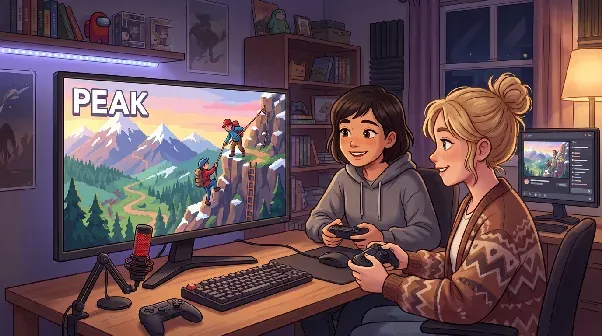
Often we discover games by watching others play. Funny moments from co-op games spread as short clips, and viewers decide to try them. PEAK is a good example: friends help each other climb a mountain, and one mistake can send everyone sliding back down. That kind of gameplay produces endless shareable moments. Still, attention is not guaranteed. Plenty of good games never get noticed.
Indie games vs AAA games: what is different?
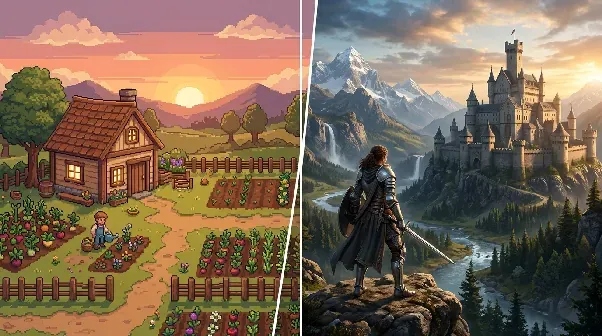
AAA games usually involve big budgets, major publishers and many departments. Indie games usually involve small teams and smaller budgets. These are general tendencies, not fixed rules.
| Feature | Indie games | AAA games |
|---|---|---|
| Team size | Often small or medium | Usually large |
| Budget | Generally lower | Often much higher |
| Scope | May focus on fewer features | Often bigger worlds and more content |
| Creative decisions | Usually made by a small team | May involve publishers and several departments |
| Price | Often lower, but varies | Major new releases usually cost more |
| Marketing | Smaller budgets, community promotion | Large campaigns and established brands |
There are expensive indie games and fairly small AAA projects. The labels describe how a game is made and funded, not whether it is good.
Indie games that show the shift
Balatro: a simple idea done differently
Balatro, made by the developer known as LocalThunk, came out in 2024. It is built around poker hands and scoring: Joker cards change the value of hands and let players create their own combinations. There is no vast world and no complicated controls, yet the scoring system keeps players coming back. It shows that a truly original idea can win attention on its own.
PEAK: co-operative fun that spreads
PEAK, released in 2025, turns mountain climbing into a co-operative game. Players climb, manage their stamina and help each other past obstacles, but one player's mistake can cause trouble for the whole group. The fun comes from the players themselves, especially when a climb goes wrong, which makes it ideal for friends and streamers alike.
Hollow Knight: Silksong: the power of a community
Hollow Knight: Silksong came out in 2025 after years of anticipation. Hollow Knight had already built a devoted following with its exploration, combat, art and tough bosses, and fans hung on every update about the sequel. It shows that an independent studio can build a recognised series without a huge marketing budget.
Are indie games really more successful?
It is worth separating popularity from financial success. According to the Video Game Insights Global Indie Games Market Report 2024, independent games earned a substantial share of Steam's revenue in the period studied. The report also showed how a handful of hits can drive the overall figures.
That does not mean the average indie developer is getting rich. A game can sell well and still not cover its costs: art, programming, music, marketing and years of work all add up. Visibility is a problem too. A few games get enormous attention while many others get almost none. So when you read that indie games are earning more, it is worth asking whether indie games in general are doing better, or whether a few big hits create that impression. Those are different questions.
What does the future hold?
Tools such as Unity, Godot and Unreal Engine have made game development far more accessible, letting small teams build projects that once needed much more technical expertise. Easier development also means more competition. A developer might spend three years on a game only to release it in the same week as many others, and getting noticed may be the hardest part. Small studios will keep pushing new ideas: unusual mechanics, shorter games and co-op experiences.
Final thoughts
Indie games are growing in popularity for several reasons. Players have more ways to find them, small studios are free to experiment, and many indie games deliver great experiences without costing a fortune. But popularity does not guarantee profit. Balatro, PEAK and Hollow Knight show what independent studios can achieve, but they are the exceptions, not the typical story.
Frequently asked questions
Why do players like indie games?
Some players love their original gameplay or distinctive art styles. Others like the lower prices or want to support independent developers.
Are indie games better than AAA games?
Not necessarily. AAA games usually have bigger budgets, more polished graphics and large teams behind them, while indie games are often more inventive and unusual. Both can be excellent, so it is better to judge each game on its own merits than by who made it.
Can indie developers compete with large studios?
Yes, although competing is not only about sales. Stardew Valley and Balatro show that indie developers can reach millions of players. Funding and promotion remain a real challenge for many small studios.